Fifty years ago, most families could take care of themselves. Shoes were polished and re-heeled, not binned. Clothes were patched and pressed. Every home had a few basic tools — sharp, oiled, and handled with respect. In the shed or garage, there was always a workbench, tins of screws sorted by size, and the quiet smell of linseed oil or sawdust. A sewing machine sat ready on the table. The garden grew food. A Sunday dinner brought everyone together — not as an event, but as a rhythm of life.
Today, nearly all of that has vanished. We live in a throw-away world, one that values speed and novelty over skill and substance. Nothing is made to last, and most people no longer know how to make anything last even if they wanted to. We replace instead of repair. We buy instead of build. We eat from packets instead of from the earth. And we call that progress.
The Death of Maintenance
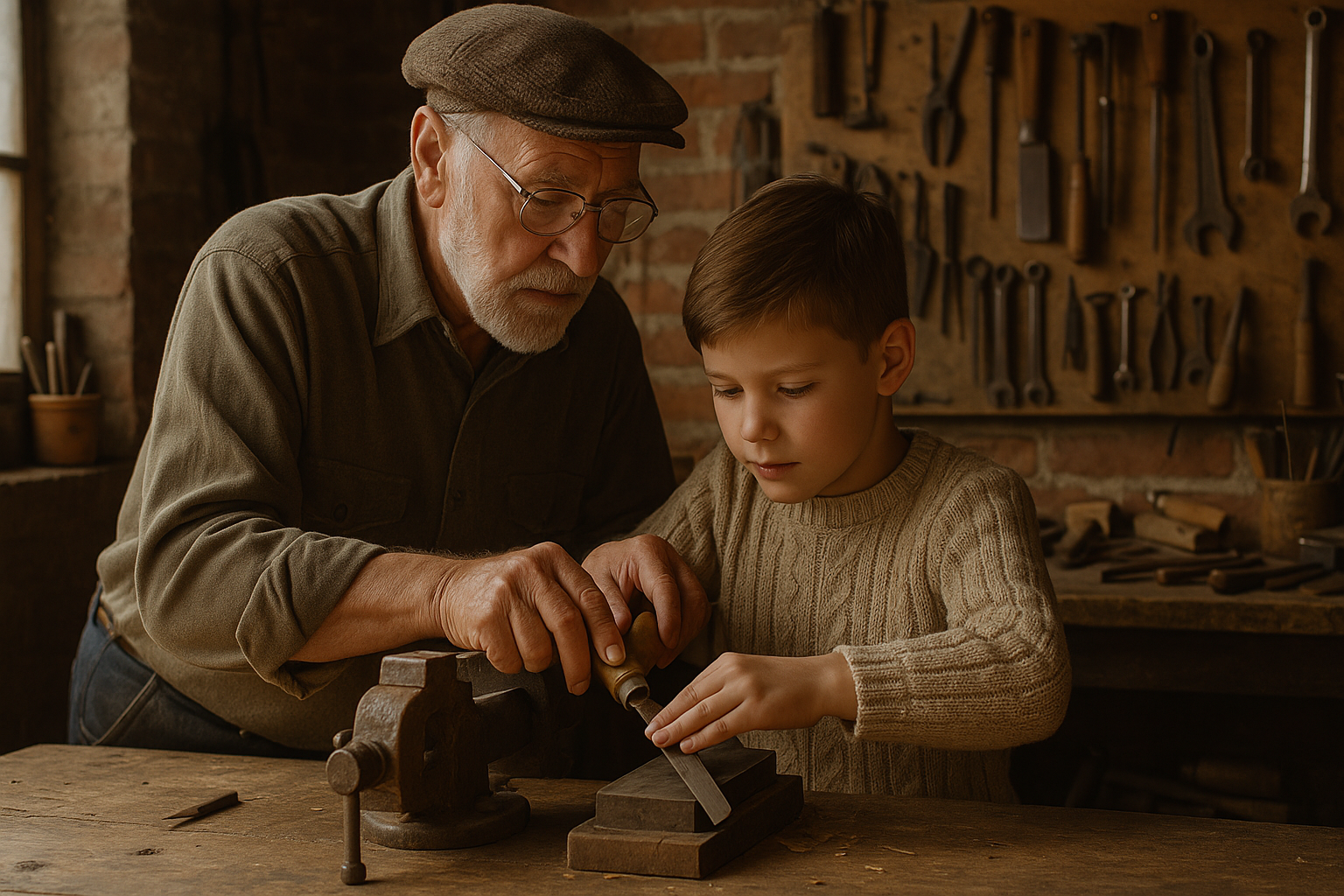
Once, tools were treated almost like family. They were cleaned, sharpened, and handed down — father to son, mother to daughter. Each hammer, saw, or spade carried a story. The more a tool was used, the more personal it became. Its wear was a history of hands that had worked honestly with it.
Now tools are disposable. Sold cheap, made cheaper. Plastic handles, soft metals, designed to fail so another can be sold. We’ve gone from a world of maintenance to a world of management — where the skill is not in doing, but in buying and discarding. And with every broken tool we throw away, a little bit of human care goes with it.
The Engineered Forgetting
This shift didn’t happen by accident. A self-reliant population doesn’t fill shopping malls or pay subscription fees. Industries discovered long ago that independence doesn’t generate profit — dependency does. Advertising took over where family wisdom left off, convincing people that newer was better and that fixing something was a sign of poverty or stubbornness.
Within a couple of generations, the quiet pride of repair turned into embarrassment. The home workshop became a “man cave.” The family garden was paved over. The Sunday dinner was replaced by convenience food eaten in front of a screen. The skills that once bound families together were deliberately eroded — not by war or famine, but by marketing.
The Spiritual Cost
When people stopped caring for their tools, they also stopped caring for their world. The connection between craft and spirit was always there — to mend, to build, to grow, to cook — all acts of creation that mirrored the greater act of life itself. There was a natural reverence in simple work. Sharpening a blade, tending a plant, kneading dough — these were small prayers of attention, each one a thread between human and nature.
Now most people live surrounded by things they don’t understand or maintain. Their food comes wrapped in plastic, their furniture arrives flat-packed, their devices sealed shut. Nothing invites relationship; everything demands replacement. It’s no wonder so many feel rootless. We’ve traded the living world for a dead one made of objects that don’t last and screens that never sleep.
The Family as the First Workshop
Once, the home was where life was learned. A child watched their parents and absorbed the rhythm of usefulness — how to peel, stitch, hammer, cook, and share. Sunday dinner wasn’t just a meal; it was a ceremony of belonging. Around the table, you learned patience, manners, gratitude, and story.
Today that space has collapsed. Families eat separately or not at all. The passing down of skill and wisdom has been replaced by algorithms and tutorials. But you can’t learn love or care from a screen — only from presence. The table, the garden, and the workshop were the real classrooms of character. We abandoned them for convenience and lost far more than we gained.
The Nature We Forgot
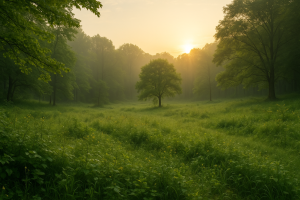
The old ways were never separate from the land. The garden wasn’t a lifestyle choice — it was a relationship. People knew the smell of their soil, the timing of their seasons, the difference between morning and dusk light. Even small backyards held fruit trees or herbs, and the allotment was a place of quiet fellowship, where neighbors swapped seeds and advice.
That was a living connection — between human effort and the cycles of the earth. When that bond broke, something in us went numb. We became spectators instead of participants. Nature turned into scenery. The spirit that once moved through our work withdrew, and the result is the loneliness so many feel now. The cure is not digital detox or escapism — it’s reconnection.
Plain Truth
Let’s stop pretending we don’t know how this happened. We were sold comfort at the cost of competence, convenience at the cost of meaning. Corporations don’t want strong, skilled people — they want obedient consumers. And governments prefer dependency to self-reliance because it keeps populations predictable.
But here’s the truth: they can only sell what we’re willing to buy. The moment we start fixing, growing, and cooking again, their hold weakens. When we repair what breaks, we repair ourselves. Every act of maintenance is an act of resistance.
The Way Back
The old skills aren’t gone; they’re waiting. The tools are still out there — rusted maybe, but real. The soil still knows how to grow. The recipes still work. What’s missing is the will to return.
Start small: plant something, cook from scratch, learn to sharpen a blade, or sew a seam. Sit at a table with your family again — no screens, no rush. These things aren’t old-fashioned; they’re human. And if we don’t keep them alive, no one will do it for us.
We don’t need a revolution, just remembrance. A reconnection with the slow, solid ways that made life rich before it was made cheap.