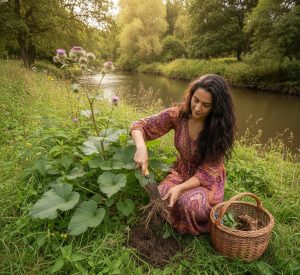
The air changes when the wild garlic wakes up. Long before the sun feels truly warm, a cool, humid scent begins to carry on the wind through the damp corners of our city’s woodlands. It is a powerful, unmistakable promise: Ramson (Allium ursinum), or wild garlic, has returned, signalling the official start of the foraging year in Manchester.
This vibrant, green carpet is a gift, offering not just a spectacular aroma but a deep, primal connection to the awakening earth. For the mindful forager, Ramson is an essential early harvest, versatile in the kitchen and deeply enriching to the soul.
The Brightest Green in the Dark Woods
Wild garlic is a perennial joy. It bursts onto the scene in late March and April, transforming shady riverbanks, woodland floors, and damp ditches across Greater Manchester into seas of brilliant, emerald green.
The Two-Step Identification Test
For the beginner, wild garlic is one of the easiest and safest plants to identify, thanks to its signature trait: the smell.
- The Smell Test: Gently rub a single leaf between your fingers. If your fingers are left with the potent, unmistakable scent of garlic, you have found Ramson. This is the most crucial step in identifying Allium ursinum.
- Visual Check: The plant grows in dense patches, producing slender, bright green, elongated leaves (similar to a lily-of-the-valley leaf, which is poisonous, hence the critical importance of the smell test). Later in the season, it will flower with perfect, star-like white blossoms.
Warning: While the smell is definitive, be aware that the leaves must be crushed for the scent to emerge. Once you have crushed a handful, your hands will smell of garlic for a while, potentially masking the scent of the next plant. Always identify single leaves carefully.
Where to Find Ramson in the Northwest
Wild garlic thrives in moist, shaded environments, often close to water sources. While we won’t give away specific secret spots, you can reliably find it by exploring:
- Riverbanks and Gorges: The damp, sheltered banks of local rivers and tributaries are ideal.
- Ancient Woodlands: Look for patches in older, established woods where the canopy is dense.
- Parks and Estates: Many larger Manchester parks with damp, managed woodland sections often host healthy, expanding colonies.
Mindful Harvesting: The Ethics of the Spring Haul
When you find a patch of Ramson, it is often huge—temptingly so. As mindful foragers in an urban environment, it is essential to practice responsible and sustainable harvesting.
The Golden Rule: The Rule of Thirds
The “Wild Manchester” guiding principle for wild garlic is the Rule of Thirds:
- Take a Third: Only harvest a maximum of one-third of a single leaf cluster from any one plant.
- Leave a Third: Leave the remaining two-thirds of the plant intact so it can continue to photosynthesize and sustain the bulb.
- Avoid the Bulb: Never dig up the bulb in the UK unless you have explicit, written landowner permission. Taking the bulb destroys the plant entirely, and this practice is illegal under the Wildlife and Countryside Act (1981) on land that is not your own.
Focus on the Leaves: Pinch or snip the leaves close to the base, taking care to clean off any soil before you leave the patch.
The Flower Power
The small white flowers are edible, too! They offer a milder garlic flavour and look beautiful scattered over a salad or soup. As harvesting the flowers stops the plant from setting seed, it’s best to only take a few for garnish, allowing the patch to spread naturally for future seasons.
Simple Wild Garlic Recipes for the Urban Kitchen
Wild garlic is incredibly versatile. Its flavour is softer and more delicate than cultivated garlic, making it perfect for raw applications. Here are three simple ways to incorporate your harvest.
1. Ramson Pesto: The Essential Spring Staple
This recipe uses the leaves raw, preserving their bright colour and fresh flavour.
- Ingredients: 100g wild garlic leaves, 50g pine nuts (or walnuts), 50g hard cheese (vegetarian alternative if preferred), 100ml olive oil, salt and pepper.
- Method: Wash the leaves thoroughly. Combine all ingredients in a food processor and blend until smooth, adding more oil if needed for consistency.
2. Wild Garlic Butter
A simple and quick way to preserve the flavour.
- Ingredients: 100g softened unsalted butter, 30g finely chopped wild garlic leaves (using both leaves and flowers is beautiful), pinch of sea salt.
- Method: Mix all ingredients thoroughly until combined. Roll the butter into a log using parchment paper and chill. Slice and serve on toast, steak, or melted over new potatoes.
3. Infused Oil for Winter Use
For those who want to keep the scent of spring into the colder months, infuse olive oil with chopped leaves. The oil can be used to dress salads or drizzle over finished dishes.
- Important Safety Note: If storing wild garlic oil at room temperature, it must be used within two to three days or strained and refrigerated immediately to mitigate the risk of botulism (a risk with any garlic/herb submerged in oil without proper preservation).
A Call to Presence
The hunt for wild garlic is more than a culinary quest; it is a ritual of presence. It forces us to slow down, to engage our senses (especially that unique smell), and to pay attention to the damp, shaded corners of Manchester we usually overlook.
When you bring your small basket of bright green leaves home, remember the woodland floor and the quiet discipline of leaving more than you take. This mindful connection is the true harvest of Ramson. Happy foraging.