Stinging Nettle: The Forager’s Friend
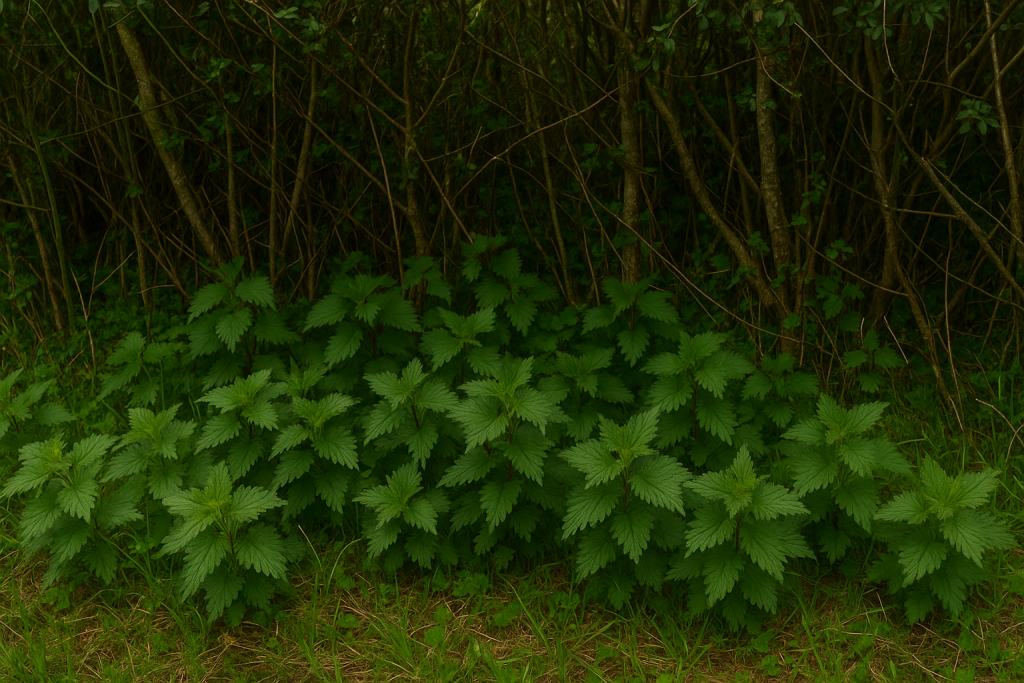
Walk along any wild edge in spring — a woodland path, canal bank, or untended garden — and you’ll likely find patches of stinging nettle. Sharp when touched, yes, but also rich in history, myth, nourishment, and meaning.
“The goal of life is to make your heartbeat match the beat of the universe, to match your nature with Nature.” — Joseph Campbell
Myth and Lore of the Stinging Nettle
For centuries, people have known that nettle is not the enemy it appears to be.
Its name comes from an old word meaning to burn, yet it was never shunned. In folklore, it symbolised protection, persistence, and renewal — the kind of strength that hides in plain sight.
In Northern Europe, nettle was used to ward off evil spirits. In medieval times, bundles of nettles were hung above doorways or burned to cleanse a home. In Norse myth, nettle was sacred to Thor, the thunder god, believed to keep away lightning strikes.
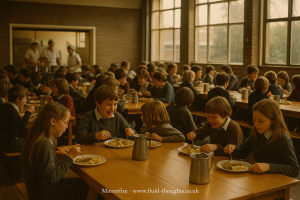
Closer to home, nettle appeared in British folk medicine as a charm for endurance. It was said that if you could bear its sting, you could bear anything. Perhaps this is why it still feels like a plant of courage — uncomfortable, but generous when understood.
The Spiritual Side of Nettle
Spiritually, nettle is the plant of boundaries and awakening. Its sting demands attention; its gifts reward care.
It teaches the simple law of reciprocity: approach gently, give thanks, and you will be nourished.
Nettle reminds us that not everything that hurts is harmful. Sometimes discomfort is the body’s way of opening awareness. The sting asks for respect, the leaf offers renewal. It’s a conversation as old as the land itself — one between alertness and trust.
Foraging Nettle: Food from the Wild
Nettle is one of the easiest and most rewarding wild foods to forage — a perfect introduction for beginners and a beloved staple for experienced foragers.
When and how to harvest:
- The best time is early spring when the plants are young and tender.
- Use gloves or pinch the top four leaves between your fingers to avoid a sting.
- Choose patches away from roads and pollution, and leave plenty for insects and future growth.
Cooking and flavour:
Once blanched or cooked, nettles lose their sting completely. The taste is deep, green, and slightly nutty — like spinach with a mineral edge.
Try these simple ideas:
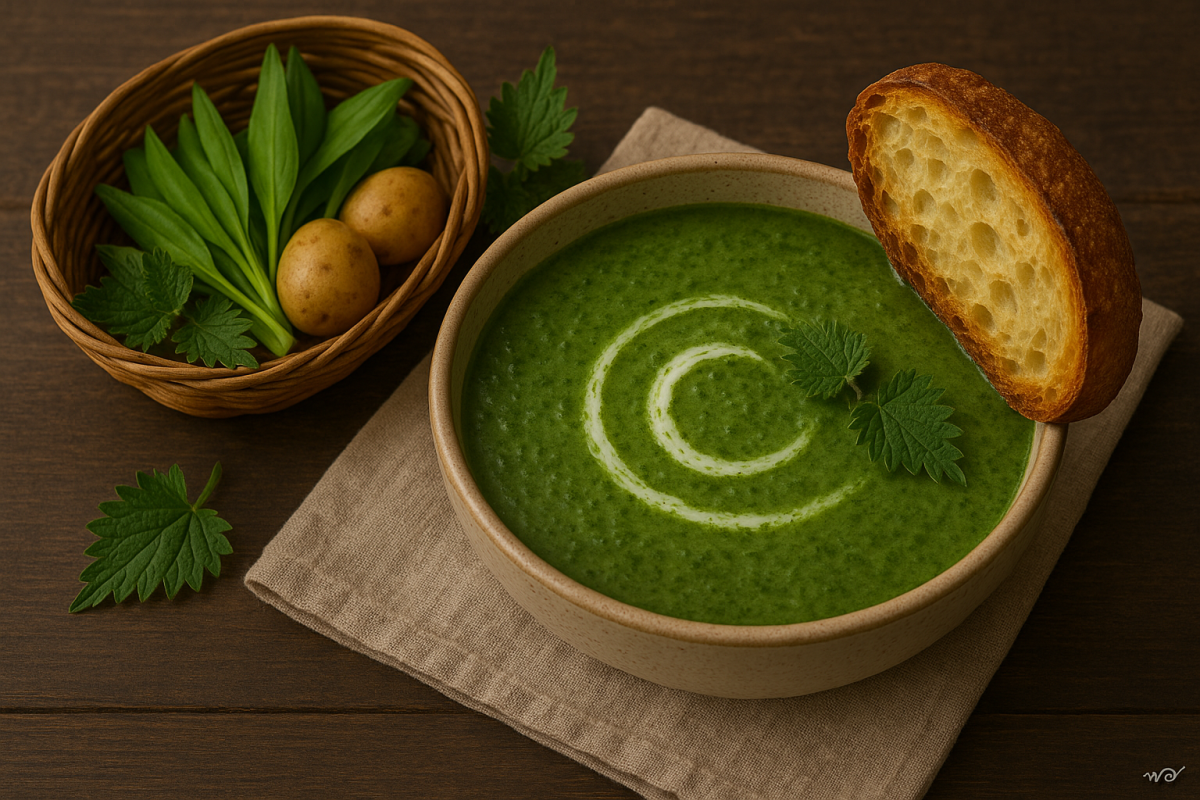
- Nettle soup: an old favourite in British kitchens. Sauté onion, garlic, and potato, then stir in nettle tops, simmer, and blend.
- Nettle tea: steep fresh or dried leaves for an earthy, iron-rich infusion.
- Nettle pesto: blitz with olive oil, lemon, and nuts for a wild twist on a classic.
- Steamed nettle greens: served with butter and a squeeze of lemon.
Nettle is high in vitamins A, C, and K, and rich in iron, magnesium, and calcium — a natural tonic after winter. No wonder our grandparents prized it when fresh greens were scarce.
Nettle as Medicine and Material
Healers across cultures have used nettle for centuries. In traditional herbalism, it supports circulation, digestion, and detoxification. Its anti-inflammatory qualities made it a trusted remedy for joint pain and skin irritation.
Even beyond the kitchen or apothecary, nettle proved its worth. Its strong fibres were once spun into thread and cloth, used for sails, uniforms, and ropes. In wartime Britain, nettle was even gathered for camouflage dye — another quiet example of its hidden usefulness.
A Living Teacher in the Hedgerow
What’s most striking about nettle is how it bridges opposites. It can sting and soothe, demand and give. It thrives where the land is disturbed, yet helps restore the soil beneath it.
In every sense, it’s a teacher — one that asks us to approach the wild with humility.
If you see nettles on your next walk, pause before calling them weeds. Look again. They are guardians of the threshold between garden and wild, between hurt and healing.
Project Tip: Meet the Nettled Patch
If you’d like to connect more deeply, try this simple foraging project:
- Find a small patch of nettles in a clean, safe area. Notice their shape, how they grow in clusters, how they sway with the breeze.
- Harvest a handful of young tops with gloves and scissors, leaving the roots and most of the plant intact.
- Cook them gently — a quick soup, tea, or sauté — and taste with gratitude.
- Reflect in a journal or voice note: what did the process teach you? How did your view of this “weed” change?
Come back to that same patch in a few weeks and see how it’s changed. Nature rewards attention — and nettle is one of its best teachers.
Closing Reflection
Nettle thrives where others turn away. It protects its gifts but never hides them.
In its sting is a lesson about presence; in its leaf, a quiet form of generosity.
It doesn’t need taming — just listening.
And once you learn its rhythm, you might find that this humble plant, so often overlooked, holds a wisdom as steady and enduring as the land itself.