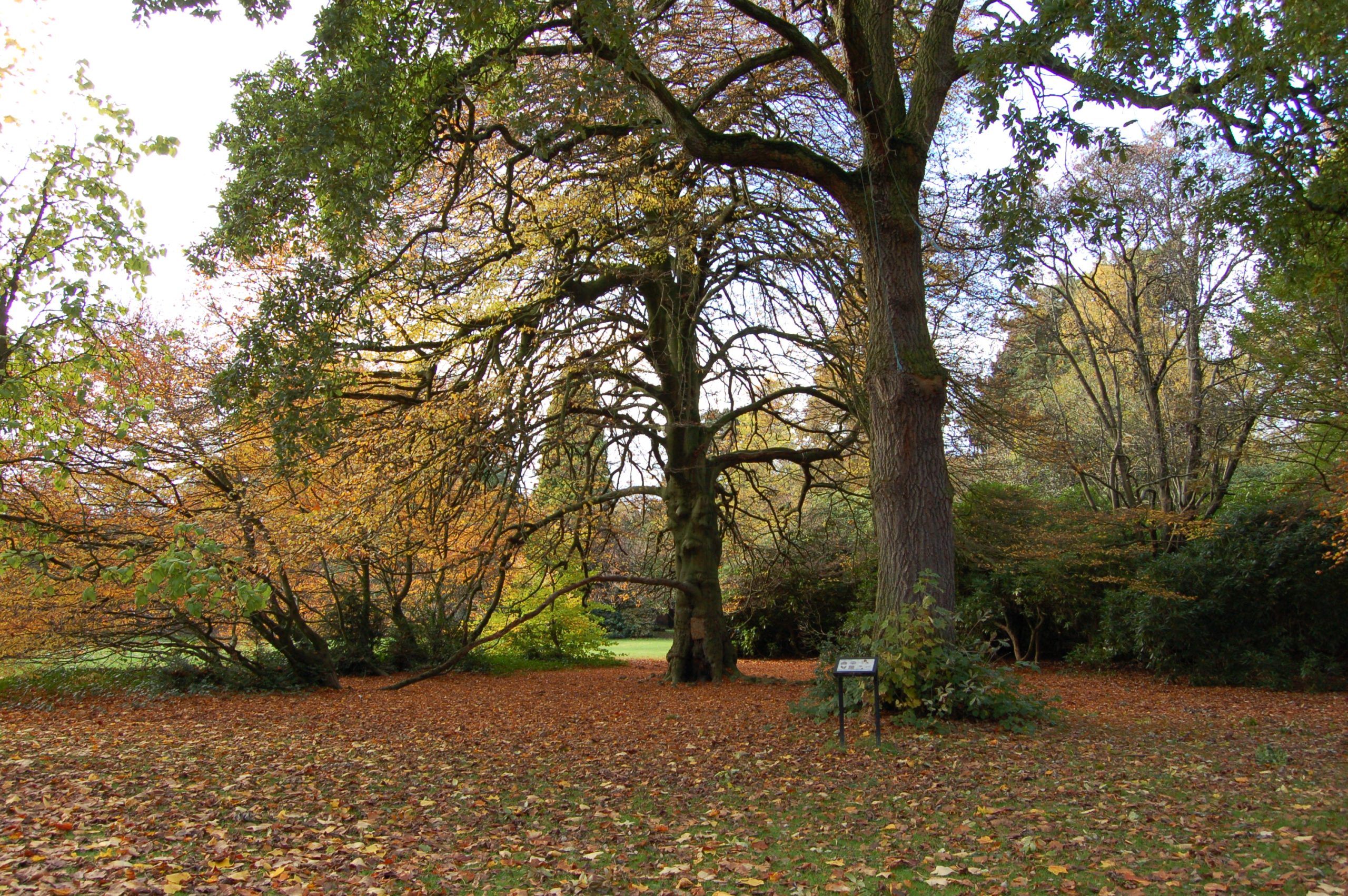
Trees have always been more than wood and leaves. All over the world, they’ve been seen as living bridges — rooted deep in the earth yet reaching toward the sky. From the ancient oaks of Britain to the sacred bodhi tree of the East, trees have stood beside us through every chapter of human history: feeding us, sheltering us, and quietly reminding us how to belong.
“The goal of life is to make your heartbeat match the beat of the universe, to match your nature with Nature.” — Joseph Campbell
The Myths and Lore of Trees
For as long as we’ve told stories, trees have been at the centre of them.
In Celtic lore, every tree was thought to hold its own spirit. The oak, strong and enduring, was the “king” of the forest — a tree of wisdom and protection. Druids gathered beneath its branches, listening to the whisper of its leaves for guidance.
The birch, with its bright bark and graceful shape, symbolised renewal and fresh beginnings. People once swept their homes with birch twigs to drive away the old season and welcome the new.
Maple, with its sweet sap and vivid autumn colours, speaks of balance and generosity — a reminder that what we give often returns in abundance.
And pine, evergreen through winter storms, has long stood for endurance and eternal life. In northern folklore, people said the wind in the pines carried messages between worlds.
How Trees Communicate
Science is now confirming what old myths seemed to know — that trees live in deep relationship, not isolation.
Beneath the soil, a vast network of fungi links their roots together. This underground system, sometimes called the “wood wide web,” allows trees to share nutrients, send signals, and even care for one another.
A great oak might feed its seedlings through its roots. A birch might send sugars to a shaded neighbour. It’s a quiet, constant conversation happening below our feet — one that keeps the forest healthy and alive.
It’s hard not to see the reflection of that wisdom in our own lives. Nature’s rhythm is collaboration, not competition.
Trees as Providers: Food, Medicine, and Material
Trees don’t just fill our imaginations — they’ve sustained us in the most practical ways since the beginning.
They give us air to breathe, wood for warmth, and shelter from the elements. But they also feed and heal us.
Acorns from the oak once filled the bellies of our ancestors, ground into flour during lean times. Birch sap was tapped each spring as a tonic rich in minerals. Maple syrup sweetened life long before sugar found its way to our tables. Pine needles brewed into tea brought vitamin C to sailors who faced long winters at sea.
Their wood has built our homes and boats, our tools and fires. And across cultures, people have shaped it into sacred forms — totem poles, prayer staffs, carvings of gods and guardians. Trees have always been both practical and spiritual companions, bridging the physical and the divine.
The Spiritual Life of Trees
Many cultures saw trees as more than living things — they were ancestors, teachers, or even worlds in themselves.
In Norse myth, the great ash tree Yggdrasil held together all realms of existence: heaven, earth, and the underworld. In Britain, old village oaks and yews became meeting places, where people gathered to celebrate, make vows, and share news.
Even now, stepping beneath a canopy feels different. The air cools. The noise drops away. Something ancient in us relaxes. Trees draw us into stillness, into awareness — a reminder that we are part of something vast, alive, and ongoing.
To stand beside a tree is to see patience in motion. It grows by receiving, not by striving — drinking in light, water, air, and time.
Project Tip: Identify Four Local Trees
If you want to get to know your local trees, here’s a simple way to start. Take a notebook or your phone camera and spend a week meeting these four. You’ll begin to see familiar shapes and patterns everywhere you go.
1. Oak — The Elder of the Woods
Look for broad, lobed leaves and sturdy acorns on short stems. Oaks tend to grow wide and welcoming, home to hundreds of birds and insects.
2. Birch — The Pioneer
Notice the silver-white bark that peels in thin curls. Birch leaves are small and triangular, and you’ll often find the tree reclaiming empty ground — a quiet symbol of renewal.
3. Maple — The Artist
Spot the hand-shaped leaves and paired seeds that twirl like tiny helicopters. Maple trees add bursts of colour to parks and gardens, turning gold and red in autumn.
4. Pine — The Guardian
Evergreen needles grow in pairs or small bundles. Take a deep breath near a pine and notice the clean, resinous scent — it’s naturally antiseptic and deeply grounding.
Write down or photograph each one, noting a small detail that stands out — the bark’s texture, the sound of wind through its leaves, or how the light changes around it. You’ll soon start recognising them like old friends.
Closing Reflection
Trees connect everything: soil, air, water, and spirit.
They remind us that real strength isn’t about standing apart — it’s about belonging, about giving and receiving within the web of life.
When you walk among trees, they share that lesson quietly. They don’t demand; they simply exist in harmony. And if you pause long enough to listen, they’ll remind you how to do the same.
